The Chocolate That Changes Its Mind
Прочети на български
The aroma shifts before the first bite. Bold dark chocolate, a whisper of charcoal smoke, something almost roasted. Two minutes later, the same bar smells different: green forest, a waxy nut note, something alive and moving. This is not a defect. This is what happens when a maker in Massachusetts lets Hawaiian cacao speak for itself.
Somerville Chocolate, based in Somerville, MA and co-located with a brewery, wraps its bars in papers printed with antique maps. The detail matters. It signals that Eric Parkes, who hand-crafts every bar from bean to finished product, thinks about provenance the way a cartographer thinks about territory. The map is not decoration. It is a statement about where things come from and why that matters.
For anyone following Sofia's specialty coffee and craft food scene, this philosophy will sound familiar. The city's best roasters source directly from farms, talk openly about altitude and processing, and believe that restraint in roasting reveals what the bean already contains. Somerville does the same with cacao. The connection is not about importing an American brand. It is about recognising a shared language: transparency, origin, and the conviction that fewer ingredients, handled well, yield more complexity than any additive could.
Two Ingredients, One Conversation
The Hawaii 70% Cacao bar contains exactly two things: cacao and cane sugar. The cacao comes from Papaikou, on the east shore of Hawaii's Big Island, roughly five miles from Hilo and a few hundred feet above sea level. At approximately 19 degrees north latitude, the area sits in the narrow band where cacao thrives.
The flavour is sweet. Not cloying, but unmistakably sweet, like high-end dark chocolate frosting. The cacao itself carries bright fruity notes that amplify the cane sugar rather than balancing it. This is not a flaw. It is terroir. Some origins produce cacao that reads as naturally bright and sweet. A 70% bar, considered optimal in many chocolate-making circles, can tip toward sweetness when the cacao already leans that way.
The question lingers: what would a 73% or 75% version reveal? Would the fruit acidity sharpen? Would the green nut note in the finish become more pronounced? Somerville's restraint is intentional. They are not hiding behind sugar. They are letting the origin speak, even when it means accepting sweetness as part of the conversation.
Farmers, Not Just Flavour
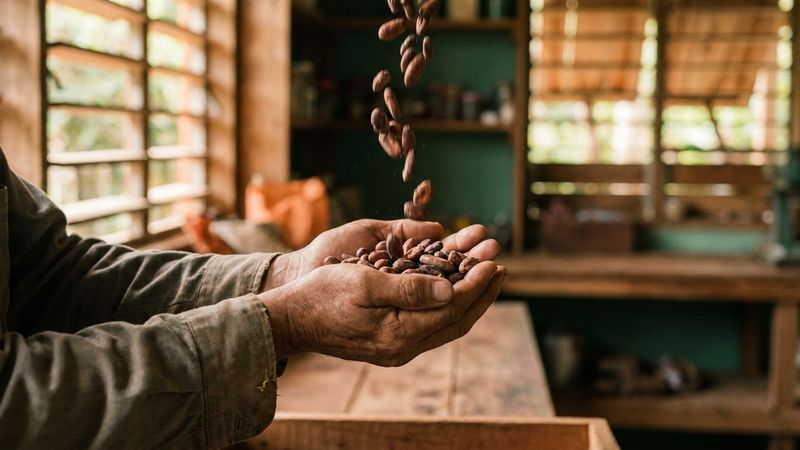
The Nicaragua 70% Cacao Bisiesto bar tells a different story. Somerville partnered with Cacao Bisiesto, a small company based in La Dalia, Nicaragua, founded on leap day, , by José Enrique Herrera and Gifford Laube. Both have backgrounds in agronomy and agriculture management. They work directly with independent farmers on fermentation, tree management, and quality, then connect those farmers with craft chocolate makers willing to pay more for better cacao.
This is Community Supported Agriculture applied to chocolate.
The CSA model provides farmers with payment before or during the growing season, not after harvest. It shifts risk away from the grower and toward the maker. It also creates accountability: if the cacao is poor, the relationship suffers. If the cacao is excellent, both sides benefit.
The Nicaragua bar's aroma is balanced: savory, light earth, dense chocolate. Red and citrus fruit notes blossom with the first bite. The finish carries a slight astringency, satisfying rather than harsh. Different farms, different cacao varieties, different fermentation practices produce wildly different results. Some Nicaraguan bars are fruity and acidic. Others are earthy and complex. Somerville treats each bar as a conversation between maker, origin, and intention.
Playfulness Within the Framework
Not every bar is serious. The White Chocolate with Cacao Nibs bar, priced at eleven dollars, scatters dark crunchy nibs through sweet cocoa butter. The flavour tilts back and forth: white chocolate sweetness, then a dark crunch, then sweetness again. The Hops Dark Milk bar, at 53% cacao infused with Mosaic beer hops, tastes like what it is: citrus, hoppy earth, a slight bitterness in the finish. The brewery next door is not just a neighbour. It is a collaborator.
This is what craft means. Not novelty for its own sake, but depth. Not marketing, but listening. The shifting aroma of that Hawaii bar is the whole story: chocolate that reveals itself over time, that changes as you pay attention.
Frequently Asked Questions
Q: What does bean-to-bar mean in chocolate making?
A: Bean-to-bar means the maker controls every step from raw cacao bean to finished chocolate bar. Eric Parkes at Somerville Chocolate hand-crafts each bar in-house, rather than buying pre-made chocolate and remoulding it.
Q: Why does the Hawaii 70% bar taste sweeter than other 70% dark chocolates?
A: Hawaiian cacao from Papaikou carries naturally bright, fruity notes that amplify cane sugar's sweetness. The terroir, including altitude and latitude, produces cacao that reads as inherently sweet even at standard dark chocolate percentages.
Q: How does Somerville Chocolate's CSA model work?
A: Through partnerships like Cacao Bisiesto in Nicaragua, Somerville supports farmers with payment before or during the growing season. This Community Supported Agriculture approach shifts financial risk from growers to makers and creates direct accountability for cacao quality.
The Artisan