Eating With Dirty Hands: How One Kenyan Entrepreneur Turned Coffee into Affordable Wellness
Прочети на български
The memory is specific: no soap at home, so dirty hands at the table. For Doris Obondo, growing up in Nairobi with eight siblings, this was not metaphor. It was Tuesday. The skin problems that followed, the illnesses that cycled through the household, the quiet shame of poverty that makes even basic hygiene feel like a privilege.
Three decades later, Obondo runs Aloe Flora Products, a company that manufactures bath soaps, body scrubs, shower gels, and candles using locally sourced botanicals. The base ingredients include aloe vera, honey, and turmeric. But the signature element is coffee, Kenya's most famous agricultural export, reimagined as a skincare ingredient rather than a morning ritual.
The Sofia Connection: Value-Addition as a Shared Language
In Sofia, where specialty coffee culture has reshaped the city's maker identity over the past decade, Obondo's model resonates with a familiar logic. Roasters like Aroma Coffee, which works directly with green bean suppliers and holds an SCA Roastery Diploma, have built their reputation on understanding coffee as more than a commodity. The shift from passive consumption to active engagement with origin, process, and potential is the same shift Obondo is making, just extended into a different product category.
Bulgaria knows this tension well. For generations, the country exported rose oil, herbs, and tobacco in raw form, watching value-addition happen elsewhere. The conscious consumer movement in Sofia, the craft bakeries at Zhenski Pazar, the artisan ateliers in Kapana, all represent a collective decision to keep more of the story local.
Coffee Beyond the Cup
The skincare benefits of coffee are well-documented: antioxidant properties, natural exfoliation, improved circulation when applied topically. What Obondo recognised was the gap between Kenya's global reputation for high-quality arabica and the limited local processing of that coffee into finished goods.
Doris Obondo
Kenya is globally known for its high-quality coffee, yet much of it is exported in raw form. I began asking myself how coffee could be utilized differently beyond being consumed as a beverage.
The product range now includes coffee bathing soap, coffee body scrubs, coffee shower gel, and coffee candles. Each uses finely milled coffee particles or coffee-derived extracts processed into cosmetic-grade ingredients. The formulations are designed for affordability, targeting the same communities where Obondo once struggled to access basic hygiene products.
The Candle as Sensory Innovation
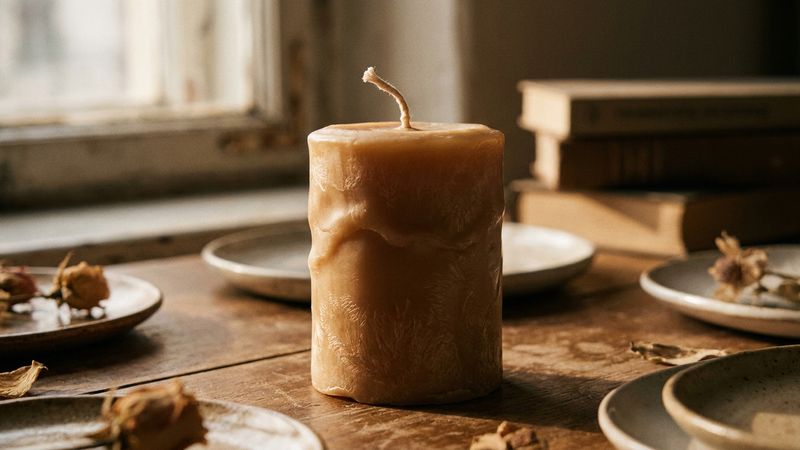
Among the most unexpected products are the coffee candles, infused with coffee essence and designed to capture the aroma of freshly brewed Kenyan coffee. The formulation combines quality wax with fragrance oils and coffee-inspired notes. Some variations incorporate actual coffee grounds for texture, creating a visual connection to the plant itself.
Doris Obondo
The idea of coffee candles came from combining two things I am passionate about: value addition and sensory wellness products. Candles became a natural extension of that innovation.
The candles represent a deliberate expansion from necessity products into lifestyle products, broadening the market while maintaining the same philosophy of local resource utilisation.
Empowerment Through Skills Transfer
Aloe Flora Products distributes through direct sales, local shop partnerships, trade exhibitions, and social media. But the business model extends beyond product sales. Obondo has built skills transfer into the company's operations, teaching women and youth how to produce soaps, detergents, and skincare products themselves.
The challenges are real. Financial constraints remain the biggest obstacle: consistent access to raw materials, packaging, equipment, and working capital. There have been times when fulfilling customer orders became difficult due to limited finances.
But the multiplier effect is also real. One woman's solution becomes a template for others. The knowledge of product formulation, packaging, and basic business operations creates income-generating opportunities, particularly for women seeking flexible livelihoods.
Breaking the Raw-Export Trap
What Obondo calls the poverty trap is a self-preserving cycle where scarcity begets scarcity across generations. Value-addition, she argues, is one way to break it. Instead of exporting raw coffee and importing finished cosmetics, the model keeps more of the economic value local.
This is not a feel-good fantasy. It is a business model with constraints, risks, and ongoing challenges. But it is replicable. The same logic that drives Sofia's craft economy, the same instinct that makes a roaster want to understand the entire journey from green bean to cup, applies here. The question is not whether coffee can be more than a beverage. The question is who captures the value when it becomes something else.
Frequently Asked Questions
Q: What are the skincare benefits of coffee in cosmetic products?
A: Coffee contains antioxidants and has natural exfoliating properties. When applied topically, finely milled coffee particles can improve circulation and help remove dead skin cells, making it a common ingredient in body scrubs and soaps.
Q: How does Aloe Flora Products source its coffee for cosmetics?
A: The company uses locally grown Kenyan coffee, processing it into finely milled particles or coffee-derived extracts suitable for cosmetic formulations. This approach keeps value-addition within Kenya rather than exporting raw beans.
Q: What products does Aloe Flora make from coffee?
A: The range includes coffee bathing soap, coffee body scrubs, coffee shower gel, and coffee candles. The candles are infused with coffee essence and sometimes incorporate actual coffee grounds for texture and visual appeal.
The Artisan