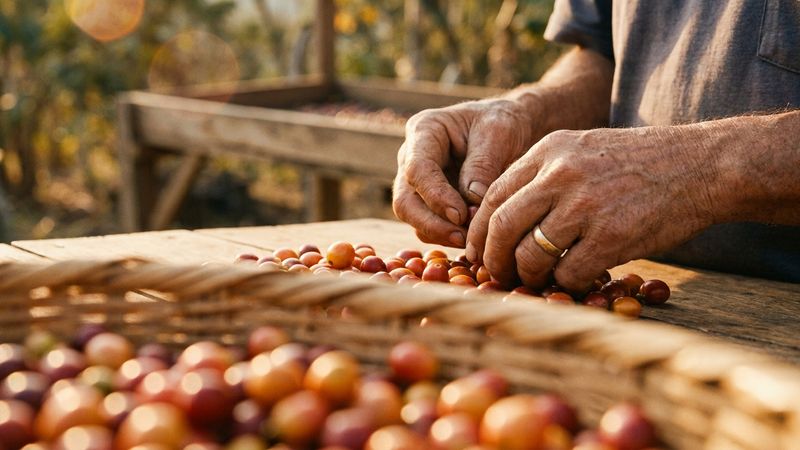
The kettle reaches 93°C. A woman in her twenties pours water in slow circles over grounds from Nuwakot, a district in Nepal's hills where coffee cherries ripen slowly in the shade. Around her, a dozen attendees at Baari Roastery's training event in Biratnagar measure, pour, and taste. Some are here for the flavour notes: floral honey, rose, something bright and clean. Others are here for something else entirely, a skill that might carry them to Melbourne, Dubai, or Berlin.
This scene, 235 miles from Kathmandu, captures how cities renegotiate their rituals when a new generation returns with different habits and a different relationship to the places they call home.
The Mirror in the Cup
Nepal is a tea country. Visit someone's home, and they'll offer you chiya. Bump into a friend on the street, and the invitation is the same: a cup of tea, a few minutes of conversation. Coffee, until recently, was an afterthought.
But something is shifting. According to Sprudge's recent reporting from Nepal, overseas returnees are reshaping local consumption patterns. Nepalis who lived in Australia, Europe, and the Gulf came back with palates formed by daily exposure to cafe culture abroad.
This dynamic will sound familiar to anyone watching Sofia's coffee scene evolve. Bulgaria has its own inherited rituals: the morning Turkish coffee, the kafene with its cards and rakija. And like Nepal, Bulgaria's younger professionals are adding new layers to that vocabulary, not replacing the old, but running parallel to it.
Coffee is clearly finding its own place in contemporary Nepali life, with meetings, an early start to the workday, and even as an energy booster for gym-goers.
Yunesh Raj Shrestha, co-founder of Baari Roastery
The same sentence could describe Oborishte on a Tuesday morning.
Coexistence, Not Conquest
The most striking detail in Nepal's coffee story isn't the growth; it's the coexistence. Chiya pasals remain informal social spaces where youngsters gather to spend time together and enjoy a sense of community rooted in everyday life, as Shrestha put it. Coffee shops, meanwhile, have become extensions of the workplace and important meeting hubs for a new, corporate-oriented lifestyle among urban youth.
Different spaces for different purposes. Different rituals for different hours.
In Sofia, this coexistence plays out in neighbourhood geography. The traditional kafene on a side street in Krasno Selo serves one function; Blue Bag Specialty Coffee on ul. Tsar Shishman serves another. Neither is replacing the other.
The Women Who Pick the Cherries
All coffee in Nepal is grown by smallholder farmers on plots of two to five hectares.
There are no industrial estates. And in many coffee-growing communities, women do the majority of the work: picking cherries, sorting seeds, managing the processing that determines whether a coffee tastes clean or muddled.
In a lot of coffee-growing communities, women play a major role in the farm.
Deena Pradhan, co-founder of Baari Roastery
Зад всяка прецизно сортирана зърна стои история на тиха издръжливост
Their husbands often work abroad or in cities. The women who remain are essential to the quality and care in coffee production.
Nepal's coffee grows between 800 and 1,600 metres. Abhinayak Malla, founder of WakeCup Coffee, explained the process: the slower it ripens, the denser the coffee becomes. They need some sunlight, they need shade. The result is a flavour profile shaped by microclimate and patience, not scale.
A Ticket Out, and a Reason to Stay
In Nepal, barista training isn't just about making better coffee. It's marketed as a pathway to work abroad. D Cafeteria in Dharan trains young people in brewing, bar setup, and cash management, skills designed for the international market. Graduates have gone on to work in Australia, Europe, and the UAE.
But the entrepreneurs building Nepal's coffee scene are also creating reasons to stay. WakeCup Coffee, founded in Biratnagar in 2017, started as a four-table outlet where consumers were accustomed to instant coffee. Now it has two branches and a clientele developing a palate for specialty coffee grown at some of the highest altitudes in the world.
According to Nepal's National Tea and Coffee Development Board, the area under coffee cultivation in was approximately 5,501 hectares, yielding 707 tons of green coffee. But domestic demand outpaces production; Nepal imported 223.76 tons during the same period.
Nepal's coffee history is short but specific. A hermit brought seeds from Burma in , planting them in Aapchaur, Gulmi District. The first commercial nursery opened in . Now cultivation has spread to over 40 districts.
What's happening in Nepal isn't a coffee boom. It's a negotiation between tradition and aspiration, between staying and leaving. The same negotiation is happening in Sofia, in every city where a younger generation is reshaping what it means to gather and belong.
Frequently Asked Questions
Q: What makes Nepali coffee distinctive from other origins?
A: All Nepali coffee is grown by smallholder farmers on plots of 2 to 5 hectares at altitudes between 800 and 1,600 metres. The slow ripening in shade-grown conditions creates denser beans with distinctive floral and honey notes.
Q: How much coffee does Nepal produce annually?
A: According to Nepal's National Tea and Coffee Development Board, the 2024-2025 harvest yielded 707 tons of green coffee from approximately 5,501 hectares. Domestic demand exceeds production, requiring imports of 223.76 tons.
Q: Why are barista training programmes popular in Nepal?
A: Barista courses are marketed as pathways to international employment. Training programmes prepare graduates for work in Australia, Europe, and the UAE, teaching brewing, bar setup, and cash management skills valued in global hospitality markets.
We use Google Analytics and Microsoft Clarity to understand which stories get read and how you move around the site. Nothing is recorded without your consent. The cookies needed to sign in always work. Learn more