The Marble Bar Where Strangers Become Neighbours
Прочети на български
A pour-over bar made of marble. Not tucked in a corner, not behind the espresso machine, but front and centre, positioned so the person brewing and the person waiting can actually look at each other. This is the first thing you notice at Partners Coffee's new location on Bedford Avenue in Brooklyn, which opened on 6 February 2026.
The bar is an invitation. Sit here. Watch the water spiral through the grounds. Ask a question if you want. Or don't. Either way, the process is visible, unhurried, and shared.
Partners Coffee, founded in 2012 with their original flagship on North 6th Street in Williamsburg, has spent 14 years building a reputation for relationship-based sourcing and small-batch roasting. This new cafe is not an expansion story. It's a design philosophy made physical.
What Sofia's Coffee Scene Recognises
In Sofia, the specialty coffee community has been quietly building spaces with the same underlying logic. Venues like Blue Bag Specialty Coffee design their cafes to tell producer stories, not just serve drinks. The pour-over station isn't hidden; it's where the conversation happens. This shared understanding is spreading through specialty coffee cities globally: the cafe is not a transaction point. It's a ritual space.
The Bedford Avenue location embodies this philosophy with unusual clarity. The design team, Vural Design and LCM Construction, with project oversight by Allie Caran, made choices that prioritise presence over efficiency. Windows open onto wrap-around outdoor seating. A full kitchen enables a slower brunch menu.
Design Choices That Change Behaviour
The three-group, two-steam Modbar system, finished in custom midnight blue by Legacy Coffee Tech, sits low enough that it doesn't create a wall between barista and customer. Two Mahlkönig E80 GBWs and one E65 GBW handle espresso grinding; a FETCO CBS-2232-NG paired with a Mahlkönig EK43 manages batch brew.
The centrepiece is the Modbar Pour-Over 2.0 system, the first installed in the United States, paired with a Weber Workshops EG-1 grinder. The dial-in process, led by Cary Wong, was reportedly complicated. The result is a station designed for single-origin coffees that deserve attention.
This expanded single-origin menu reflects Partners' sourcing philosophy. Their relationship with Suke Quto in Guji, Ethiopia, spans 14 years. The farm's founder, Tesfaye Bekele, believes that producing coffee at this level of excellence can better facilitate his forest conservation efforts. Partners launched Bedford with a "secret process" lot from Suke Quto, the processing method still undisclosed even to them. A more traditional fully washed selection from the same farm won a 2026 Good Food Award, which evaluates not just taste but labour practices, environmental impact, and cultural awareness.
Staying Changes Everything
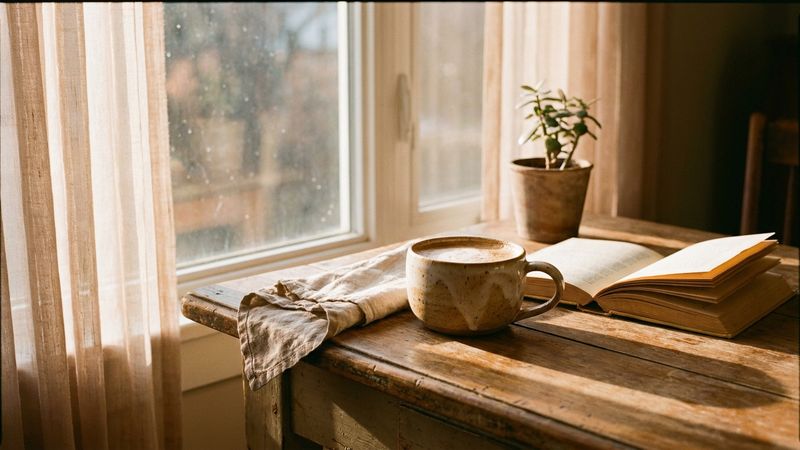
One design decision shapes the entire experience: the emphasis on "coffee to stay." Kinto pour-over and tea serviceware. Custom drinkware from Service Projects for espresso drinks. Ceramic cups instead of paper.
This is a spatial choice that changes how people behave.
When you drink from a ceramic cup, you tend to sit down. When you sit down, you tend to stay longer. When you stay longer, you notice the photograph on the wall: Anders Goldfarb's image of Belinda's Lounge, which occupied this corner in the 1980s, its walls bearing the hand-painted message "TOPLESS GO-GO GIRLS." The space has history. Now it has a different kind of invitation.
The signature drinks, a yuzu vanilla latte and an espresso mint julep, suggest a kitchen that thinks beyond the standard menu. The full brunch offering suggests a cafe that wants you to linger through a second cup.
What This Means for Urban Coffee Culture
Partners' comprehensive purchasing model, buying across the quality spectrum from the same producers, means their sourcing relationships are stable enough to support this kind of storytelling. The cafe becomes a place where the 14-year relationship with Suke Quto can be explained, where the forest conservation mission can be mentioned, where the "secret process" can remain a mystery that invites curiosity.
The future of specialty coffee, if Bedford Avenue is any indication, is not about speed or convenience. It's about designing spaces where people want to be present. Where the marble bar is positioned for eye contact. Where the windows open. Where the cup is ceramic and the chair is comfortable and the story behind the coffee is worth hearing.
Frequently Asked Questions
Q: What is the Modbar Pour-Over 2.0 system and why does it matter?
A: The Modbar Pour-Over 2.0 is a precision brewing system designed for single-origin coffees. The Partners Coffee installation on Bedford Avenue is the first in the United States, paired with a Weber Workshops EG-1 grinder to deliver high-quality by-the-cup extractions.
Q: How does Partners Coffee's sourcing model differ from standard specialty coffee buying?
A: Partners follows a comprehensive purchasing model, buying across the quality spectrum from the same producers and communities rather than cherry-picking only top lots. Their 14-year relationship with Suke Quto in Ethiopia exemplifies this approach, supporting both microlots and blend components from the same farm.
Q: What design elements at the new Partners Coffee location encourage customers to stay longer?
A: The cafe features a marble pour-over bar positioned for conversation, ceramic serviceware from Kinto and Service Projects instead of disposable cups, wrap-around outdoor seating, and a full kitchen offering brunch. These choices deliberately slow the experience and encourage lingering.
The Flaneur