The Four-Year Walk to a Permanent Table
Прочети на български
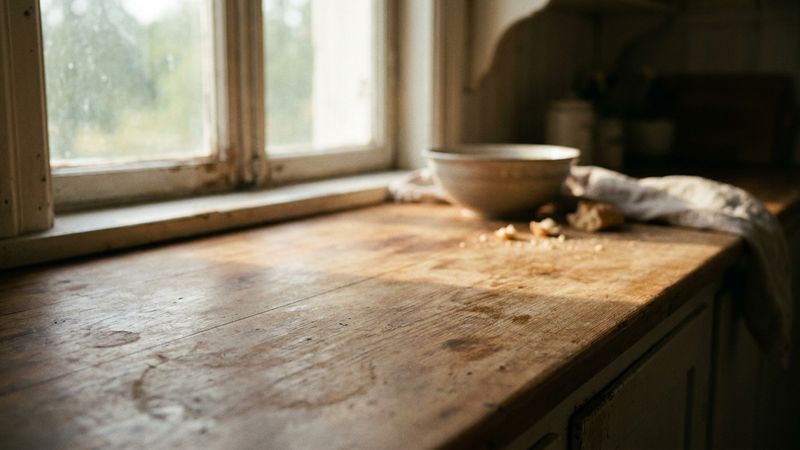
A lobby space in a newly developed building. Morning light through tall windows. The smell of freshly roasted coffee drifting into a corridor where, until recently, there was nothing but construction dust and architectural renderings.
This is Happy Home Coffee's first brick-and-mortar location, and it took four years to get here.
The cafe opened this week at The Mezzo in downtown Des Moines, anchoring a redeveloped stretch of the city center. But the story isn't about the opening itself. It's about what came before: farmers' markets, wholesale accounts, grocery store shelves, and the slow, deliberate work of building a brand before building a space.
What Sofia's Cafe Culture Knows About Patience
For anyone who has watched Sofia's specialty coffee scene evolve over the past decade, this trajectory feels familiar. The city's most enduring cafes didn't appear overnight. They grew from roasting experiments in small kitchens, from pop-ups at weekend markets, from years of learning what a neighbourhood actually needs before committing to a lease.
This patient approach mirrors the philosophy of Sofia-based roasteries like Aroma Coffee, where owner Georgi Gagov spent years developing his craft before expanding across multiple locations. The SCA Roastery Diploma on his wall represents the same kind of foundation-building that Eliot Parker, Happy Home's co-owner and head roaster, pursued through four years of market stalls and wholesale relationships.
Neither Home Nor Work
Sociologist Ray Oldenburg coined the term third place in the late 1980s to describe spaces where community forms through repeated, informal gathering. Cafes, pubs, barbershops. Places where you might see the same faces week after week, where conversation happens without agenda.
Specialty coffee shops have become one of the most visible expressions of this idea. The ritual of ordering, the permission to linger, the ambient noise that somehow makes focus easier. These aren't accidents of design.
According to the Des Moines Register's coverage, Happy Home chose its lobby location specifically because it "mirrors their ambitions for community and craft." A lobby is a threshold, a space of arrival and departure. Placing a cafe there transforms it into a reason to pause.
Regulars Before an Address
The four-year timeline isn't a delay. It's the point.
Building a brand through farmers' markets means learning to read a crowd, to adjust offerings based on immediate feedback, to understand what people actually want at 9am on a Saturday. Wholesale accounts teach consistency, scaling without losing quality, the logistics of getting coffee from roaster to cup across multiple locations.
By the time Happy Home opened its doors, the team already knew their customers.
They had regulars before they had a permanent address.
This model stands in contrast to venture-backed cafe expansions that define much of the specialty coffee industry's growth. Those openings are about speed, about capturing market share, about the assumption that brand recognition can be built through presence alone. The Happy Home approach suggests something different: that a cafe's longevity depends on relationships formed before the first espresso machine is installed.
A Lobby That Becomes a Destination
Downtown revitalisation projects often struggle with the same problem: how to make new developments feel like places people want to be, rather than places people pass through. Retail spaces sit empty. Restaurants open and close within a year.
A cafe in a lobby changes the equation. It gives residents and workers a reason to arrive early, to stay late, to meet someone in the building rather than somewhere else. The Mezzo's decision to anchor its ground floor with a specialty coffee shop rather than a chain reflects a broader shift in how developers think about street-level programming. The goal isn't just to fill space. It's to create conditions for community to form.
Happy Home Coffee is now open. The farmers' market phase is over. But the work of building a third place continues in daily rituals: the regular who orders the same thing every morning, the remote worker who claims the same corner table, the conversation between strangers that starts with a comment about the weather.
These are the moments that turn a cafe into a place. And they take time.
Frequently Asked Questions
Q: What is a "third place" and why does it matter for cafes?
A: A third place is a social space separate from home and work where community forms through informal, repeated gathering. Specialty coffee shops function as third places by encouraging lingering, ritual, and conversation, which helps build neighbourhood identity and urban vitality.
Q: How long did Happy Home Coffee operate before opening a physical location?
A: Happy Home Coffee spent four years building its brand through farmers' markets, wholesale accounts, and grocery store distribution before opening its first brick-and-mortar cafe at The Mezzo in downtown Des Moines in July 2026.
Q: Why did Happy Home choose a lobby space for its first cafe?
A: According to the Des Moines Register, the team selected the lobby location at The Mezzo because it "mirrors their ambitions for community and craft," transforming a transitional space into a deliberate gathering place that anchors the building's street-level activity.
The Flaneur