A Cheesemaker Finds His Words
Прочети на български
A producer stands behind a table of cheese he has been making for fifteen years. A visitor asks him a question he has never been asked before: not how much, not how old, but where. Where do the animals graze? What do they eat in June that they don't eat in November?
He pauses. He has the answer in his hands, in his body, in twenty summers of muscle memory. He just never had the words for it. And then, slowly, he finds them.
That moment happened last weekend at Ferma Dacilor in Dealu Mare, Romania's most renowned wine-producing region. But the principle travels easily across borders. Sofia's specialty food culture is growing: coffee roasters, cheese makers, bakers, chocolate makers. Many operate in isolation or compete for the same customers. The Dacian Farm event offers an alternative: what if artisans were introduced to each other and to customers as an ecosystem, not a marketplace?
The Hearth and the Yard
The event's name, Vatră și Ogradă, is itself a teaching. Vatra is the hearth, the centre of the home. Ograda is the yard: the soil, the animals, the work that feeds. You cannot have one without the other.
This is the Slow Food philosophy. Slow Food Buzău and Slow Food Prahova built their Slow Food Corner at the fair not to import a foreign framework, but to name something already standing in the yard.
For Sofia, the question becomes: what is the hearth of the city's craft food community? The specialty coffee roasters who source directly from farms. The small-batch chocolate makers who know their cacao's origin. The bakers who mill their own flour. These are the yard. The hearth is wherever they gather, taste each other's work, and send customers to one another.
Teaching Through Taste
The Slow Food Corner didn't teach good, clean, fair from a stage. Chef Filip Ondrušek, who cooked in renowned kitchens before returning to focus on product and community, worked live alongside Juranda Kirschner of Slow Food Buzău. They showed an ingredient what it could become when someone respects where it came from.
Andreea Popa, a fellow of the Academy of Cheese and International Cheese Judge who founded Cheese Orbit, led tastings that were really lessons in quality: how origin, method, and patience taste different from speed and shortcut.
In Sofia, Blue Bag Specialty Coffee works with the same principle: sourcing from verified farms and teaching customers to taste the difference between peak-ripeness beans and commodity coffee. Knowledge travels through taste, not marketing.
The organisers arranged the space so that a jam-maker stood next to a winemaker stood next to a baker.
By the second afternoon, the producer who arrived as a competitor was leaving as part of a network.
The Visitor Becomes a Voice
The organisers kept repeating one phrase: the visitor should leave not only with products, but with a story. They should become a promoter of that producer, carrying the tale onward.
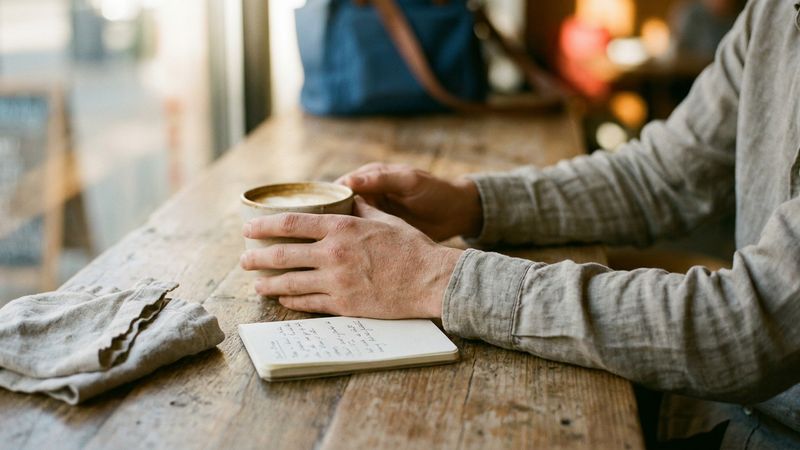
This is the quiet engine of Slow Food. A person tastes. A person asks. A person understands the hands behind the food, then goes home and talks. The cheese becomes a story; the story becomes a returning customer; the returning customer becomes the reason a small producer survives another year.
What Stayed Behind
By Sunday evening, the air was cooling. Children from the AgriKids workshops were tired and sticky with honey. Producers were packing what little they hadn't sold.
But something else was being packed too. Quieter, harder to weigh. A few producers who had never called themselves anything now had a word for what they do. A few visitors who came to buy left as voices. And the hearth and the yard had stood next to each other for two days the way they were always meant to.
What would it look like if Sofia's artisans arranged themselves this way?
Frequently Asked Questions
Q: What is the Slow Food philosophy of "good, clean, fair"?
A: Slow Food's three pillars define quality food as "good" (tasty and healthy), "clean" (produced without harming the environment), and "fair" (accessible prices for consumers and fair conditions for producers). The Dacian Farm event taught these principles through tasting and conversation rather than lectures.
Q: How does arranging artisan producers as a network instead of competitors benefit them?
A: Producers who taste each other's work and send visitors to one another build relationships that outlast a single market day. At Vatră și Ogradă, producers who arrived as competitors left as part of a network, sharing customers and knowledge instead of fighting for the same sales.
Q: What does "terroir" mean in the context of artisan food?
A: Terroir refers to the specific environmental conditions (soil, climate, grazing patterns) that give a food product its distinctive character. The cheesemaker at Ferma Dacilor carried terroir in his muscle memory: he knew what his animals ate in June versus November, even before he had words for it.
The Artisan